Skin wound healing disorders are characterised by persistent inflammation, chronic non-healing ulcers or excessive scarring with an ongoing inflammatory response. Surgical removal of diseased tissue, followed by plastic-reconstructive wound closure or long-term treatment with various wound dressings, currently represents the standard therapy.
In addition to high healthcare costs and economic consequences on the labour market, the social impact of aberrant wound healing is particularly evident in a significantly reduced quality of life for patients.
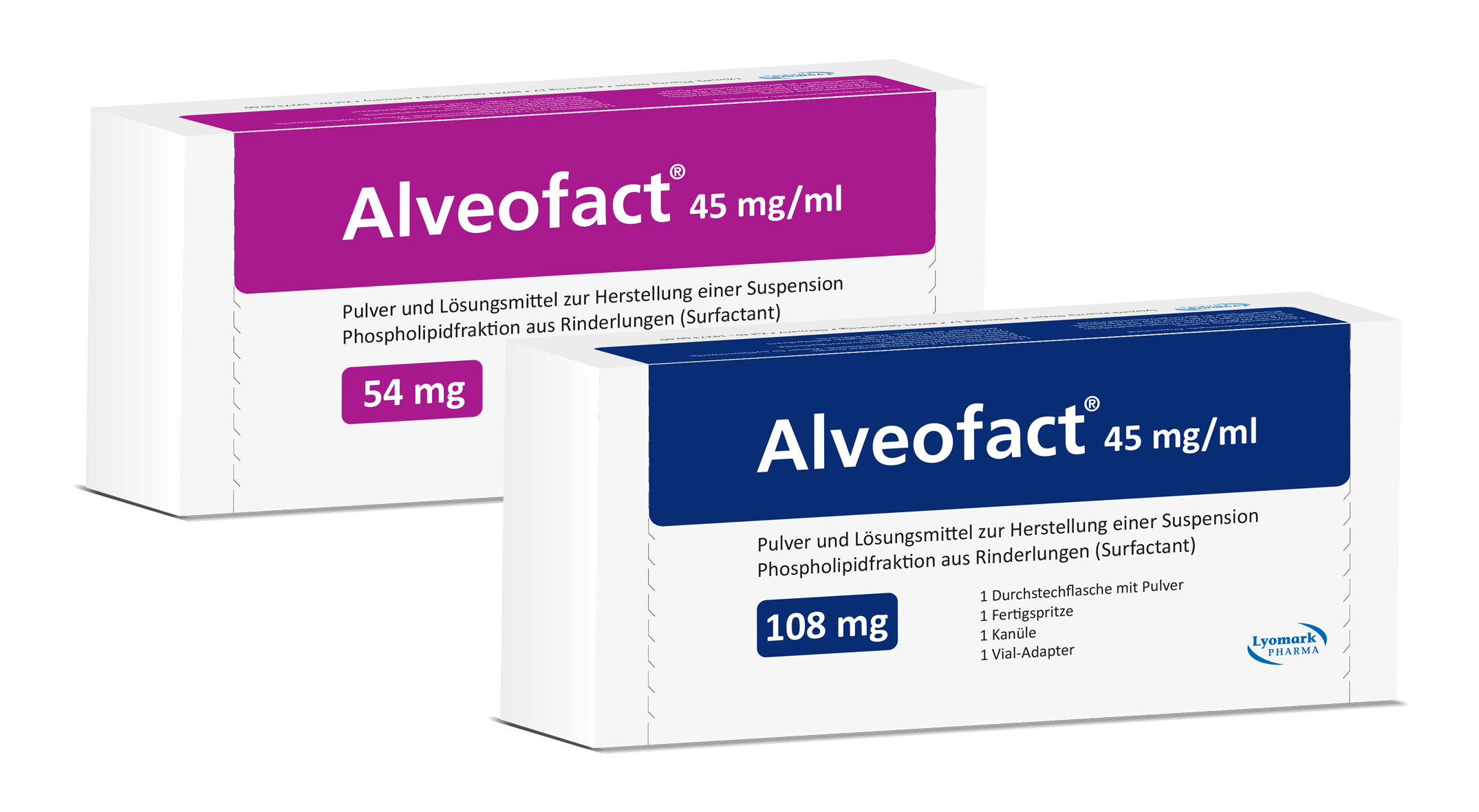
The inflammatory process that begins during wound healing is a crucial step for adequate wound closure. The phospholipids and surfactant proteins present in surfactant regulate the activity of alveolar macrophages in the lungs, thereby reducing inflammatory responses. Professor Dr. Dr. Ursula Mirastschijski, specialist in Plastic and Aesthetic Surgery at the University Hospital Bremen, used this approach to investigate whether the commercially available bovine surfactant Alveofact® topically, which can positively influence wound healing and scar formation.
In the various in vitro and in vivo experimental models carried out by Professor Mirastschijski, it was shown that topically applied lung surfactant Alveofact® has a positive influence on wound healing. These results have been confirmedhttps://www.nature.com/articles/s41598-020-59394-5) through a randomised Phase I clinical trial in humans: through the migration-promoting and anti-inflammatory effect of lung surfactant Alveofact® local inflammation could be reduced and wound healing accelerated. The with Alveofact® Wounds treated re-epithelialised faster than the control group's wounds.
It was recently known that the natural components of lung surfactant can accelerate and promote wound healing in the lungs in lung diseases by lowering alveolar surface tension and influencing the inflammatory response. However, that the anti-inflammatory and antibacterial effect of lung surfactant also extends to human skin wound closure in in-vivo experiments is a new, previously unpublished observation.
Another notable finding from the study published in Nature Magazine is that despite the absence of anti-inflammatory hydrophilic surfactant proteins SP-A and SP-D, the biological lung surfactant Alveofact® can down-regulate the inflammatory response in epithelial cells of the skin. The anti-inflammatory properties of lung surfactant on lung epithelia can therefore be transferred to the epithelial cells of the skin.
In summary, the topical application of lung surfactant Alveofact® can have an anti-inflammatory, migration-promoting, and anti-fibrotic effect on the wound healing of human skin. By treating skin wounds with the lung surfactant Alveofact® wound healing could be significantly accelerated and local inflammation reduced. At the same time, the application of the lung surfactant Alveofact proved® on human skin as safe and compatible and consequently poses no safety concerns in clinical application. The topical application of lung surfactant Alveofact® represents a promising innovative drug treatment method for normal and aberrant wound healing of human skin for the prevention of excessive skin scarring. Whether this promising treatment strategy will also become standard practice in dermatological and surgical departments for wound therapy will be shown by further future developments and studies.