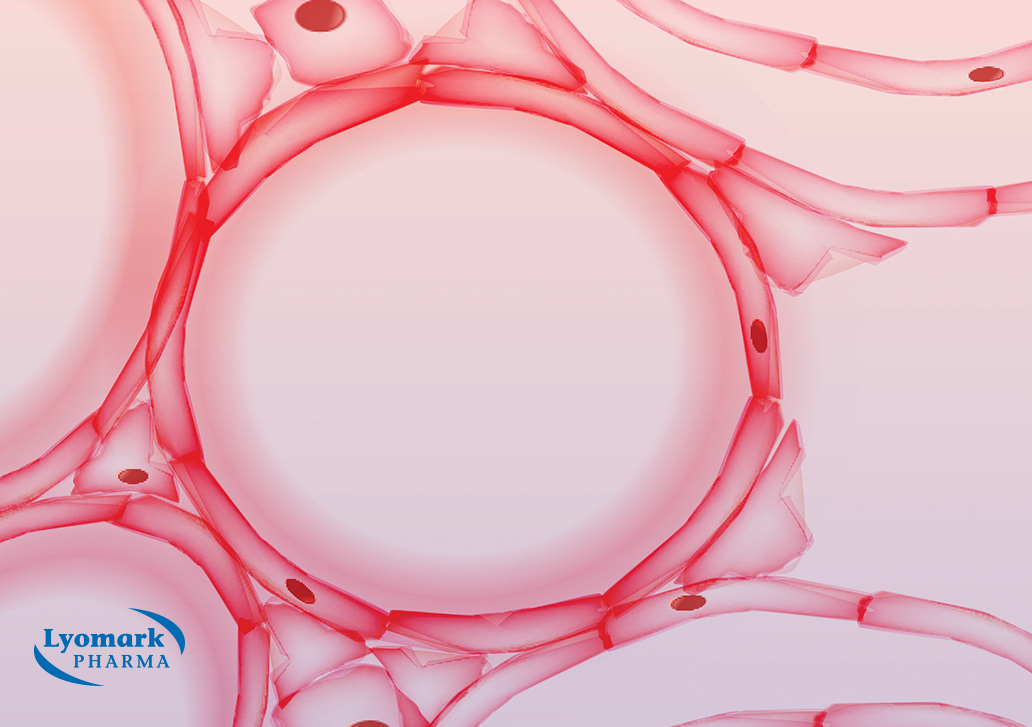
It is precisely in times of a global pandemic that the importance of a healthy and well-functioning immune system becomes most evident. Pathogenic microorganisms often find their way into our bodies via the lungs, making an initial, appropriately developed immune response necessary. As neutrophils are the first immune cells to reach the site of infection, they play an important role in defending the lungs against invading pathogens. A special defence mechanism of these cells is the formation of neutrophil extracellular traps (NETs), which lead to the entrapment of infectious agents.
Lung surfactant is known to possess immunoregulatory and anti-inflammatory properties, which are primarily mediated by the surfactant proteins SP-A and SP-D.
The hydrophobic surfactant proteins SP-B and SP-C play a crucial role in reducing surface tension. Commercially available surfactant preparations do not contain SP-A or SP-D due to manufacturing processes. However, recent studies have shown that both phospholipids and the hydrophobic proteins SP-B and SP-C also have anti-inflammatory and antibacterial effects. This effect was demonstrated and confirmed in a study at the University Medical Centre Hamburg-Eppendorf by paediatrician and clinical scientist Dr. Julian Trah and his research group: the immunomodulatory effects of two common, clinically used surfactant products (Alveofact®, Curosurf®) on NET formation in neutrophil granulocytes.
It was shown that both surfactant preparations exerted a time- and dose-dependent inhibitory effect on NET formation, with the inhibitory effect of Alveofact® than the net was stronger.
The author suspects this could be due to the different composition. Curosurf® is made from minced pig lungs, while Alveofact® obtained from bovine lung lavage, which due to the manufacturing process is less contaminated with plasma and tissue remnants. An alternative explanation for the different results, according to Dr. Trah, could be the higher proportion of SP-B and SP-C in Alveofact® being, which was previously documented in a comparative study.
However, the results of this study are of great importance because the described dose-dependent influence on NET formation under ex vivo conditions suggests an interaction between exogenous surfactant addition and neutrophils. As some chronic inflammatory lung diseases are associated with the development of NETs, this study offers new perspectives on how lung surfactant could be a potential candidate for alleviating inflammation. NET formation could represent a starting point for new potential drugs, although further research is required for this. Alveofact® could potentially represent a preventative treatment option against NET formation in the future.
Further information about the study can be found Here.
Dr Dr Romina Weinhold
Head of Medical Affairs
Lyomark Pharma GmbH